Organic pumpkins are one of the most satisfying crops for a home garden: they love sun and space, reward good compost with big fruit, and store well through the cooler months.
Pumpkin basics
Pumpkins are warm‑season, frost‑tender vines in the cucurbit family (with zucchinis, cucumbers and melons). They:
•Need a long, warm growing season (around 70–120 days).
•Prefer full sun, rich soil, and consistent moisture.
•Are usually grown from seed rather than transplants.
In most of NSW, you sow after the last frost and harvest in late summer–autumn; in frost‑free coastal areas you can start a bit earlier.
Choosing organic varieties
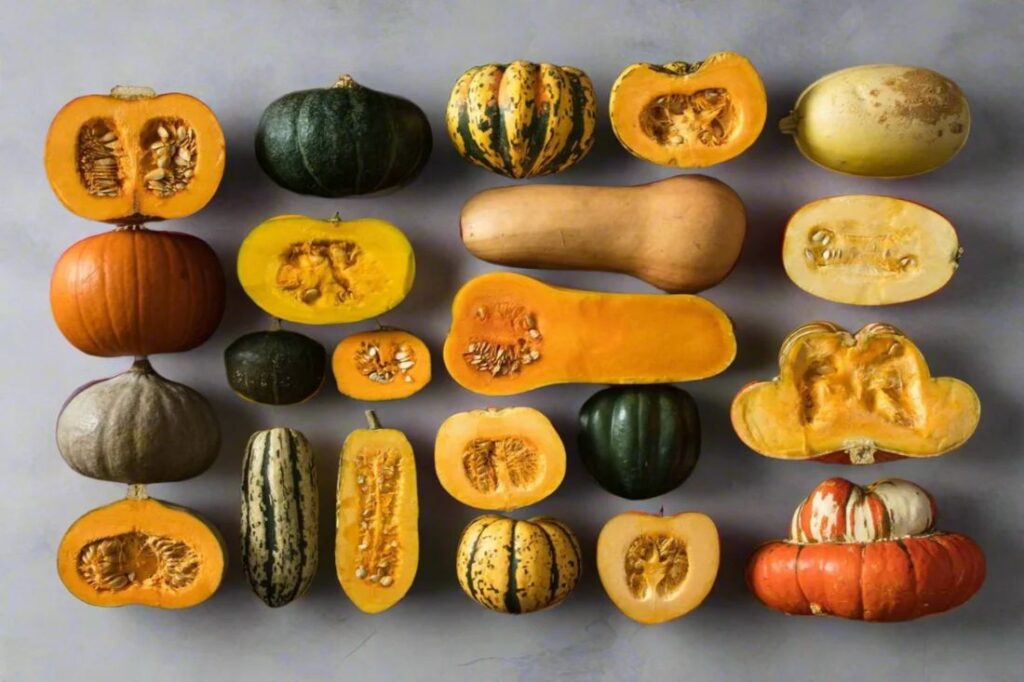
Different pumpkin species suit different conditions and uses:
•Cucurbita pepo
•Includes small pumpkins and many “Halloween” types.
•Faster to mature; good for quick eating but usually shorter storage.
•Cucurbita moschata (e.g. butternuts, some long‑keeping pumpkins)
•Strong, heat‑tolerant vines; often better pest resistance.
•Excellent storers and good for hot summers.
•Cucurbita maxima (e.g. Queensland Blue, Jarrahdale, big “winter” pumpkins)
•Rich flavour and dense flesh.
•Suits temperate climates; many are outstanding keepers.
For organic growing:
•Choose disease‑resistant, open‑pollinated or heirloom varieties if you want to save seed.
•Buy untreated, certified organic seed where possible, or save seed from healthy, true‑to‑type fruit in future seasons.
Preparing the soil organically
Pumpkins are heavy feeders and love:
•Deep, loose, well‑drained soil.
•Plenty of organic matter.
•A slightly acidic to neutral pH (roughly 6–7).
Organic soil preparation:
•A month or more before planting, dig in generous amounts of compost and well‑rotted manure.
•Create low mounds or raised beds to improve drainage and give vines a fertile “island” to spread from.
•Avoid fresh (hot) manure right before sowing; it can burn seedlings and encourage excessive leafy growth.
A classic organic trick is to plant pumpkins on or next to a compost heap, or on a “lasagne” bed of layered organic matter—they thrive on it.
Sowing and spacing
Pumpkins must have warm soil to germinate well:
•Wait until frost danger has passed and soil feels warm to the touch.
•In cooler areas, you can start seeds in pots indoors and transplant once nights have warmed.
Sowing guidelines:
•Plant seeds about 2 cm deep.
•For big vining types, sow 3–4 seeds in a “hill” and thin to the strongest 1–2 plants once they have a few leaves.
•Space:
•Large vining pumpkins: 1.5–2 m between plants, with 2.5–3 m between rows.
•Bush or smaller types: about 1 m between plants, 1.5 m between rows.
Pumpkins love space; give each vine room to ramble, or train vines along fences, trellises or over a sturdy structure if you’re short on ground area.
Watering and feeding organically
Water:
•Keep soil evenly moist, especially while plants are young and during flowering and fruit swell.
•Deep, infrequent watering is better than frequent shallow sprinkling; it encourages strong roots.
•Try to water in the morning, aiming at the soil rather than leaves to reduce fungal disease.
Feeding:
•If you started with rich, compost‑filled soil, you may not need much extra fertiliser.
•If growth is pale or slow, side‑dress with mature compost or use gentle organic liquid feeds (e.g. compost tea, seaweed/fish emulsion).
•Avoid high‑nitrogen feeds late in the season; they push foliage rather than fruit and can delay ripening.
Mulch with straw, leaves or other organic material to keep roots cool, retain moisture, and keep fruit off bare soil.
Vine and flower management
Pumpkin vines can become very vigorous:
•Once vines are established, you can lightly prune to focus energy into a few main runners and larger fruit.
•Avoid constant trampling and cutting; damaged vines are weaker and more prone to disease.
Flowers:
•Pumpkins have separate male and female flowers.
•Male flowers appear first on long stems.
•Female flowers have a tiny “baby pumpkin” at the base.
Pollination:
•Bees and other insects normally handle pollination; if fruit keeps aborting or you have few pollinators, you can hand‑pollinate by:
•Picking a freshly opened male flower, removing its petals,
•Gently brushing the pollen onto the central stigma of a female flower.
Good pollination is essential for full, well‑shaped pumpkins.
Organic pest and disease control
Common issues include:
•Chewing insects (beetles, caterpillars, leaf‑eating ladybirds).
•Hand‑pick when numbers are low.
•Encourage birds and beneficial insects with diverse plantings.
•Use physical barriers (fine mesh or row covers) over young plants if attacks are severe.
•Sap‑suckers (aphids, squash bugs, etc.).
•Squash egg masses and remove heavily infested leaves.
•Use insecticidal soaps or light horticultural oils approved for organic use if needed.
•Encourage ladybirds and lacewings.
•Fungal diseases (especially powdery mildew late in the season).
•Improve airflow: don’t overcrowd plants, avoid constantly wet foliage, water at soil level.
•Remove badly affected leaves.
•Home growers sometimes use gentle sprays (e.g. milk solutions, potassium bicarbonate) along with good cultural practices.
Crop rotation:
•Do not grow pumpkins where you have recently grown other cucurbits (zucchini, cucumber, melons, squash) for at least 2–3 years.
•Avoid close proximity to tomatoes and potatoes, which share some diseases and attract overlapping pests.
Healthy soil, diverse plantings, and avoiding overuse of sprays are the foundations of organic pest management.
When and how to harvest
Signs of maturity:
•The skin (rind) is hard and resists a fingernail.
•The colour is rich and uniform for the variety.
•The stem where it meets the fruit turns dry and corky.
•Nearby tendrils often dry out.
Harvesting:
•Cut the pumpkin from the vine with secateurs or a sharp knife, leaving 5–10 cm of stem attached.
•Handle gently; bruises and stem damage shorten storage life.
•Harvest before hard frosts or prolonged cold, which can damage the fruit.
Curing and storage
Curing improves flavour and storage:
•Many long‑keeping pumpkins benefit from 1–2 weeks of curing in a warm, dry, airy space out of direct rain.
•This helps harden skins and heal minor surface damage, while sugars develop.
Storage:
•After curing, store pumpkins in a cool (around 10–15 °C), dry, well‑ventilated place.
•Keep them off concrete (use shelves or slats) and avoid stacking tightly; check monthly and remove any that show soft spots or mould.
•Under good conditions, some varieties keep 4–10 months.
Saving your own organic seed
To keep a favourite variety going:
•Choose a true‑to‑type variety and grow it away from other compatible pumpkins to minimise cross‑pollination.
•Save seed from fully mature, healthy fruit at least a month after harvest.
•Scoop out seeds, wash off pulp, dry thoroughly in a warm, airy place, then store in a cool, dark, dry container.
Next year, you’ll have your own organic seed suited to your garden.