
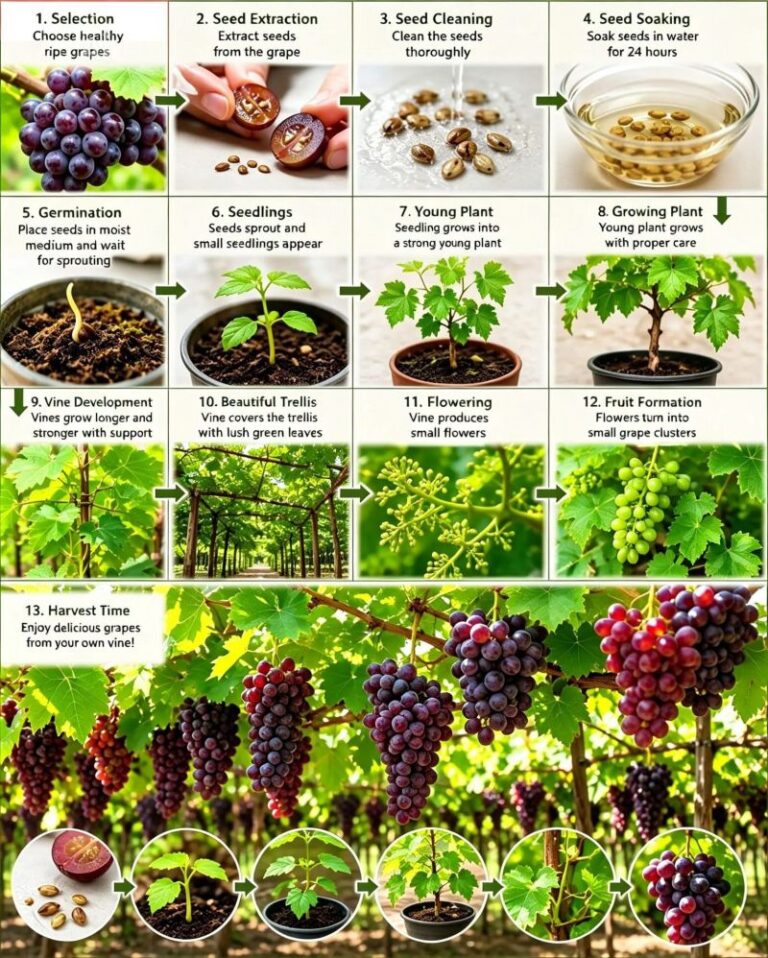
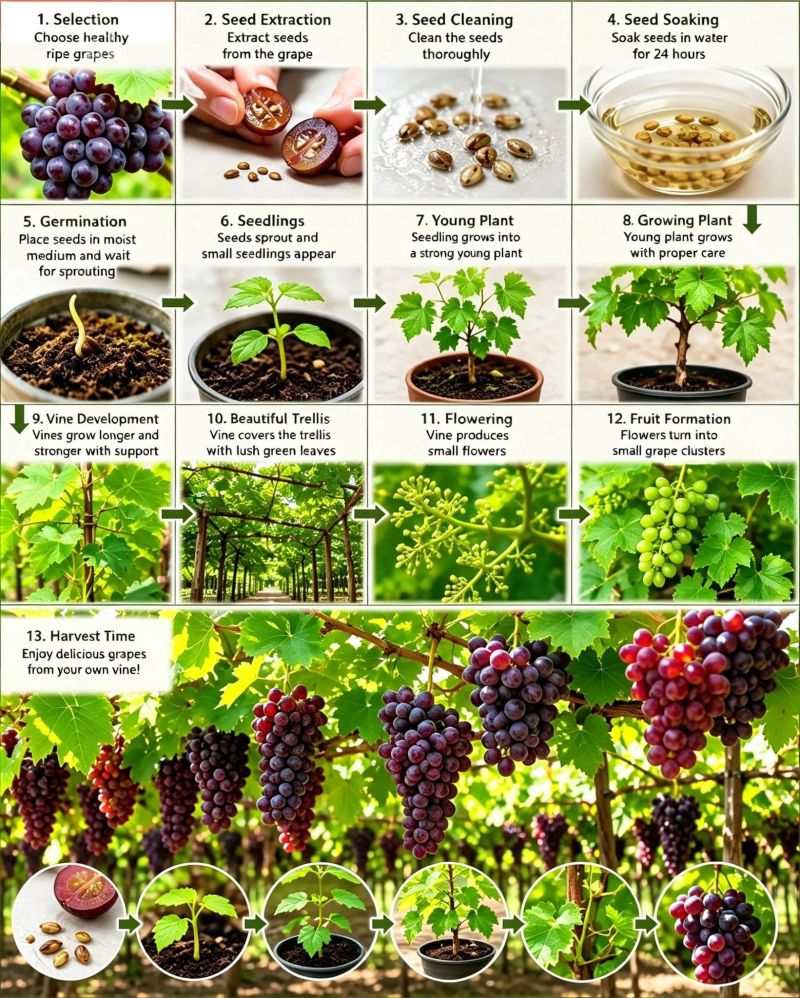
Organic grape cultivation focuses on producing high‑quality fruit while building a resilient, living vineyard ecosystem without synthetic chemicals. It combines careful site selection, soil health, resistant varieties, and biological pest management
.Principles of organic viticulture
Organic viticulture prohibits synthetic fertilizers, herbicides, and most systemic pesticides, relying instead on natural inputs and ecological balance.
Growers also avoid genetically modified planting material and must respect organic certification rules, including conversion periods for land.
Organic systems aim to enhance soil organic matter, biodiversity, and beneficial organisms rather than simply treating problems after they appear. This approach often reduces long‑term environmental impact and can improve grape quality, though it may require more labor and careful monitoring.
Site selection and vineyard design
Successful organic grapes start with a climate and site that naturally reduce disease pressure, such as areas with good air movement and moderate humidity.
Well‑drained soils and slopes that avoid frost pockets help minimize root and canopy stress while limiting fungal outbreaks.
Vineyard layout emphasizes row orientation for sun exposure and airflow, with spacing that avoids overly dense canopies.
Windbreaks, native vegetation strips, and habitat for beneficial insects are often integrated into the design to support a balanced vineyard ecosystem.
Soil health and nutrition
Organic grape growers build soil fertility using compost, well‑managed animal manures, green manures, and cover crops instead of synthetic fertilizers. These inputs increase soil organic matter, improve structure, and support microbial activity that makes nutrients more available over time.
Cover crops such as legumes, grasses, and flowering plants are sown between rows to fix nitrogen, prevent erosion, and provide habitat for beneficial insects. Periodic mowing or incorporation of these covers returns nutrients to the soil while maintaining competition with weeds at manageable levels.
Variety and rootstock choice
Choosing disease‑tolerant varieties and rootstocks is critical in organic systems where synthetic fungicides and nematicides are not options. Many growers favor cultivars with resistance to powdery mildew, downy mildew, and botrytis, especially in humid regions.
Rootstocks are selected for compatibility with soil type, vigor control, and resistance to pests such as phylloxera and some soil‑borne diseases. Matching scion and rootstock to the site reduces the need for reactive treatments and helps maintain a stable yield and quality across seasons.
Canopy management and irrigation
Organic vineyards use intensive canopy management to keep foliage dry and well lit, making disease development less favorable. Practices such as shoot thinning, leaf removal around clusters, and careful pruning improve airflow and spray penetration when organic protectants are applied.
Irrigation, where permitted, is managed to avoid excess vigor and berry splitting, often using drip systems to conserve water and limit weed growth in the row. Many organic growers also monitor soil moisture and vine water status to fine‑tune irrigation and support consistent ripening.
Organic weed management
Without synthetic herbicides, weed control relies on a mix of mechanical, cultural, and mulching strategies. Under‑vine cultivation, mowing, and specialized tools like finger weeders are used to keep weeds from competing strongly with vines, especially in young plantings.
Organic mulches such as straw, compost, or wood chips can suppress weeds while adding organic matter and moderating soil temperature. In some vineyards, low‑growing cover crops are encouraged as a living mulch that outcompetes problem weeds without overly stressing the vines.
Pest and disease management
Organic grape pest management emphasizes prevention, monitoring, and biological control rather than curative chemical sprays. Regular scouting for insects, mites, and disease symptoms allows timely intervention with approved materials and cultural measures.
Biological control agents—such as beneficial insects, predatory mites, and parasitoids—are conserved by providing habitat and avoiding broad‑spectrum pesticides. When direct control is needed, products like sulfur, some copper formulations, plant extracts, and microbial pesticides are used following organic standards and resistance‑management principles.
Harvest, quality, and certification
Organic grapes are harvested using equipment and containers that are cleaned and kept free from prohibited substances to maintain certification integrity. Timing focuses on optimal maturity for the intended product, whether table grapes, wine grapes, raisins, or juice.
To market fruit as certified organic, growers must document their practices, inputs, and field histories and undergo periodic inspections by accredited certifiers. Markets for organic grapes and wine have expanded in many regions, rewarding consistent quality and transparent production methods.
In practice, organic grape cultivation is an integrated system: soil building, careful variety choice, canopy management, and biological pest control work together to produce healthy vines and marketable fruit. With thoughtful design and consistent attention, organic vineyards can achieve good yields while enhancing environmental quality and long‑term farm resilience.