🌶️
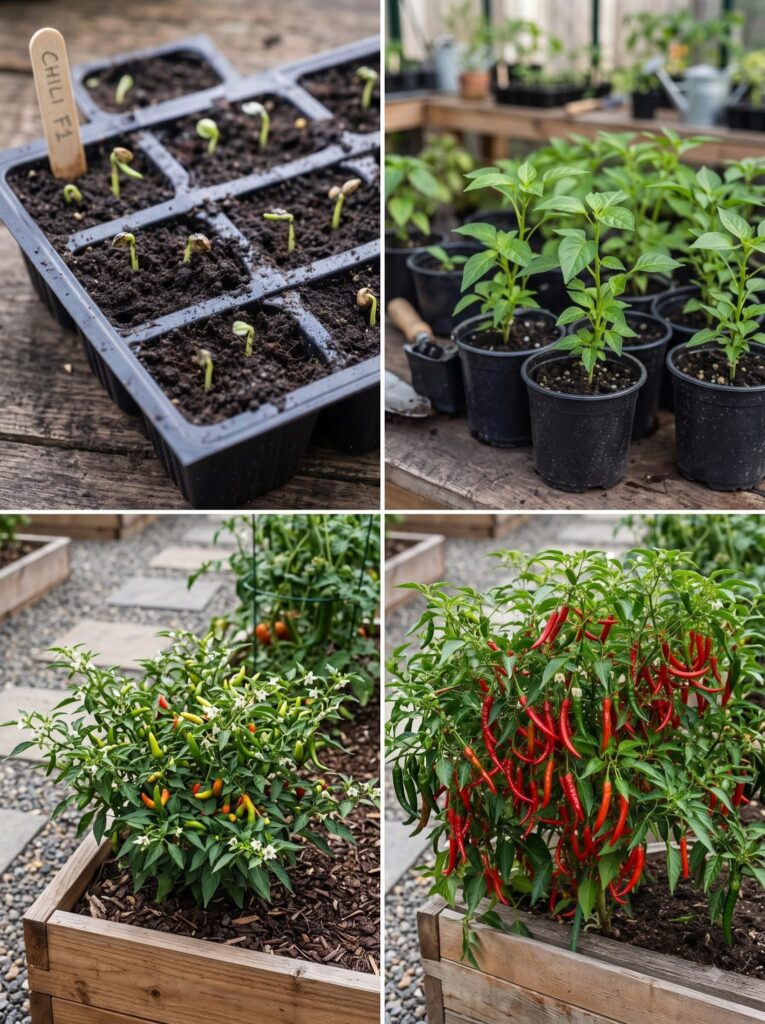
Chillies are one of the most rewarding crops you can grow. They need little space, can produce generously for months and bring colour, flavour and heat to the kitchen.
🌱 START WITH THE SOIL
Healthy chillies begin with healthy soil. Choose a sunny, well-drained position and enrich the soil with mature compost, worm castings or well-aged manure. Chillies generally prefer slightly acidic to neutral soil, around pH 6–7.
If growing in pots, use a quality organic potting mix and make sure containers drain freely. Large pots are preferable because they hold moisture more consistently and give roots room to develop.
☀️ SUN AND WARMTH
Chillies love warmth and generally perform best with 6–8 hours of direct sun each day. Seeds need warm conditions to germinate, so in cooler regions start them under cover before planting outside once temperatures rise.
💧 WATER WISELY
Keep young plants evenly moist without leaving their roots waterlogged. As plants mature, water deeply rather than giving them frequent shallow drinks. Mulching with straw, leaves, sugarcane mulch or compost reduces evaporation, suppresses weeds and feeds soil life as it breaks down.
🌿 FEED NATURALLY
Compost, worm castings, seaweed preparations and suitable organic fertilisers can provide the nutrients chillies need. Avoid excessive nitrogen: it can produce magnificent leaves but disappointingly few chillies.
Once flowering starts, concentrate on balanced nutrition rather than pushing rapid leafy growth.
🐞 MANAGE PESTS NATURALLY
Check plants regularly, particularly underneath leaves, for aphids, whiteflies and other pests. A diverse garden is one of your best defences. Flowers and herbs can attract ladybirds, lacewings, hoverflies and other beneficial insects that help keep pest populations under control.
Harvest chillies green for a fresh flavour or leave them to ripen to their mature colour. Depending on the variety, ripening can bring greater sweetness, complexity and heat.
🌶️ WHY GROW YOUR OWN?
Fresh chillies provide vitamin C, carotenoids and other plant compounds. Hot chillies also contain capsaicin — the compound responsible for their heat.
Growing your own also means knowing how your food was produced. Composting can turn household and garden waste back into productive soil.
Home-grown food can also mean fewer food miles and less packaging. Even a balcony or courtyard can produce a surprising harvest.
Most importantly, growing food reconnects us with the living systems that sustain us.
You don’t need a farm to participate. Sometimes a more sustainable food system begins with a pot, a handful of compost and one chilli seed.
🌱 Grow something you can eat. Feed the soil. Protect biodiversity. Share the harvest.